Wedding Themes: Ideas and How to Carry Them Off
Sixteen classic wedding themes, rethought for today: the palette, flowers, food and music for each, the one detail worth keeping, and the clichés to leave behind.
The theme wedding had its heyday around the turn of the millennium, when couples planned entire days around dolphins, daisies or Cinderella, and craft stores sold a coordinating trinket for every one. The instinct was sound: a wedding with a point of view is more memorable than one assembled from defaults. What has changed is the execution. In 2026 the most admired themed weddings rarely announce themselves with props; they make a few deliberate choices and repeat them until the whole day feels of a piece.
How to use a theme well
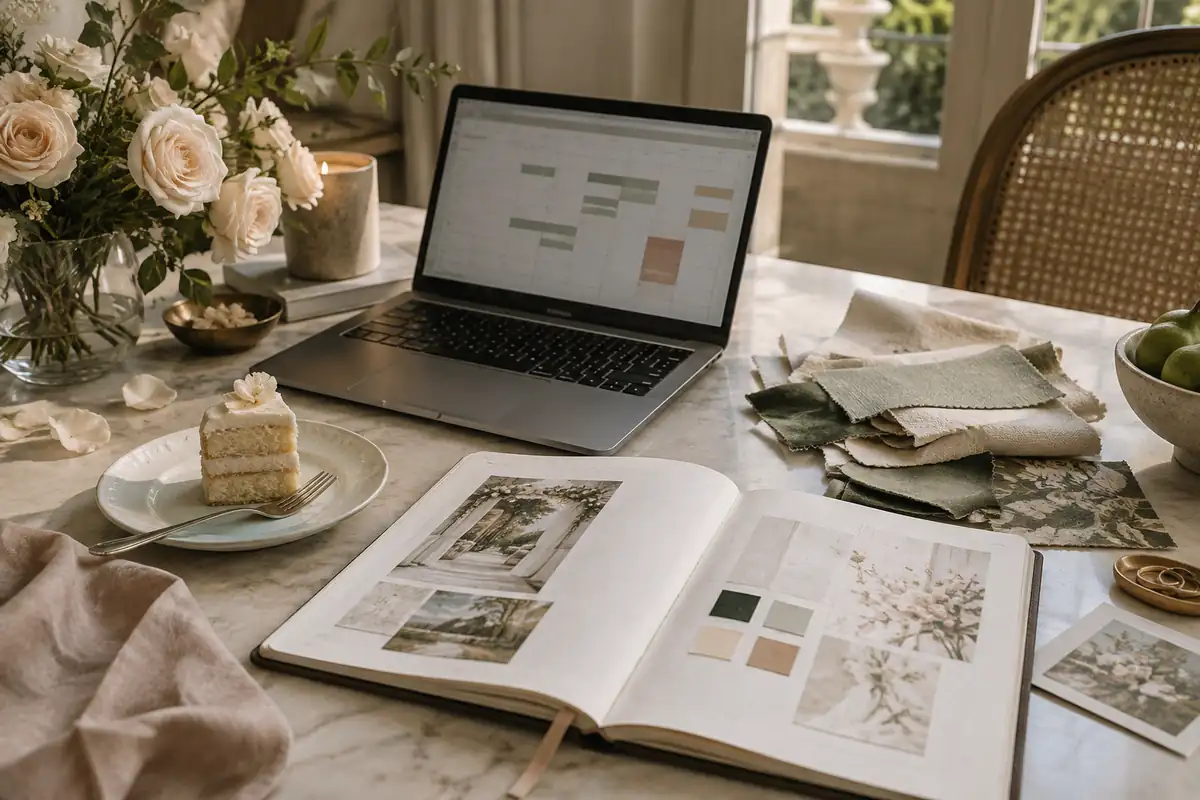
Think in five or six decisions, not fifty objects. A theme that works can usually be described in a sentence: a palette, a type of flower, a kind of music, a style of food and drink, and one signature detail guests will talk about. Settle those, and the invitations, linens and cake follow. Start with color: see choosing your wedding colors.
Use the literal motif sparingly. A butterfly embroidered inside a veil is charming; butterflies on the napkins, the cake, the place cards and the confetti are a gift shop. Let the obvious symbol appear once or twice, well made, and let palette and texture carry the rest.
Let the venue and season do the heavy lifting. A garden theme in a botanical garden needs little decoration; a winter theme in July means importing every snowflake. Match the theme to the setting and the calendar, and check what is actually blooming with our flowers by season guide. If you have not set a date yet, the best time of year to celebrate a wedding weighs the months.
Respect the people in the room. Guests should not need a costume. If the theme suggests a style of dress, put it in the dress code and keep it optional; our dress code guide has the wording.
Retire the release. Balloon fragments and ribbons are swallowed by birds and sea animals, and several states and many towns restrict releases. Farmed butterflies can carry disease to wild populations, and released white “doves” are usually homing pigeons that may not find their way home. A petal toss, a bell ring or a sparkler exit (where the venue allows it) does the same job.
| Theme | Best season | Natural venues |
|---|---|---|
| Autumn, Country Western | September to November | Orchards, vineyards, ranches, barns |
| Beach, Dolphin | Late spring to early fall | Beaches, waterfront inns, boats |
| Garden, Daisy, Butterfly | Spring and summer | Botanical gardens, estates, backyards |
| Christmas, Winter Wonderland | December to February | Hotels, historic houses, mountain lodges |
| Candlelight, Celestial | Any; best after dark | Chapels, rooftops, open-air sites |
| Victorian, Cinderella | Any | Ballrooms, mansions, historic sites |
| Valentine’s Day, Mardi Gras, Irish | Around the holiday, or any time | Restaurants, halls, city venues |
The classic themes, rethought
Sixteen classic themes, grouped loosely by season, setting and mood, each rethought for today.
Autumn
Fall is the easiest theme to do well because nature supplies most of it. Build the palette from the season rather than from Halloween: rust, ochre, burgundy, olive and cream, with brass or antique gold as the metal. Dahlias are at their peak from late summer until the first frost; add garden roses in apricot or toffee, chrysanthemums, celosia, amaranthus, rose hips and hypericum berries. Velvet or heavier crepe suits the cooler air, as do a tailored wrap or a long-sleeved gown. Orchards, vineyards, farms and country inns make natural settings, though harvest weekends at wineries book early. Serve hot cider or mulled wine, cider doughnuts with coffee, and a menu of squash, roasted roots and braises. Signature detail: small pumpkins or pears at each place setting with guests’ names written on paper tags. Avoid: candy corn, plastic leaves and anything orange and black.
Winter Wonderland
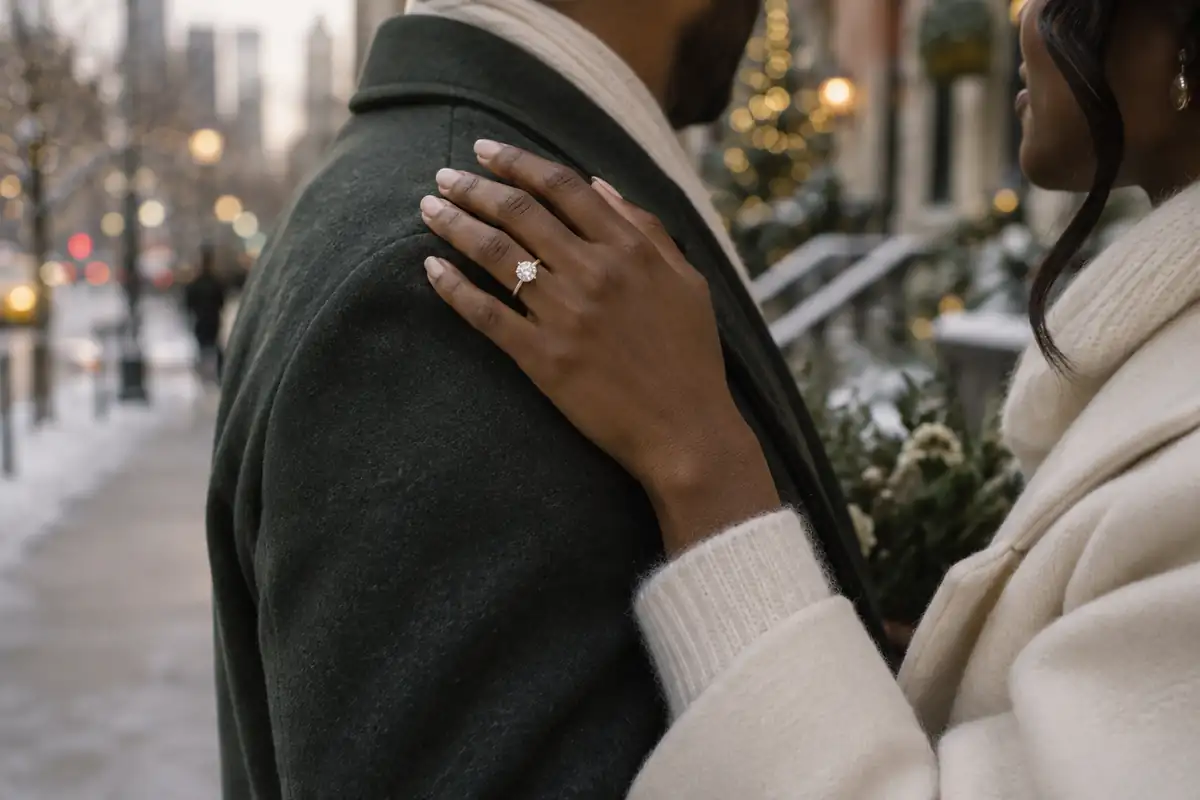
Work in white, ivory, silver and pale gray with deep evergreen, or add midnight blue for an evening party. In season you have amaryllis, hellebores, anemones, white ranunculus, paperwhites (strongly scented, so use them sparingly on dining tables), evergreen boughs, eucalyptus and berried branches. Velvet, wool crepe and long sleeves make sense; faux fur stoles and capes keep the bridal party warm for outdoor photographs. Lodges with fireplaces, hotel ballrooms and historic houses are the natural venues. Serve a hot chocolate or warm toddy bar, then roasts and gratins. Signature detail: a sleigh or horse-drawn carriage if there is snow, or a single ice sculpture used as a raw bar or vodka luge. Avoid: cotton “snow,” artificial flocking and loose glitter, which many venues prohibit because it gets everywhere and is almost impossible to clean. If price matters, January and February are often quieter for venues; see weekday and off-season weddings.
Christmas
A Christmas wedding inherits its decorations: many churches and hotels are already dressed in greenery and lights in December. Keep the palette grown-up, with deep green, claret, cream and gold, rather than primary red and green. Amaryllis, white or red ranunculus, hellebores, holly, cedar, pine and magnolia leaves are all in season. Velvet dinner jackets for the groomsmen and a faux fur wrap for the bride are right for December. Serve mulled wine, eggnog or a champagne cocktail with cranberry. Signature detail: a dated glass ornament for each guest, hung on a tree at the reception and collected on the way out. Avoid: novelty sweaters, Santa hats and tinsel. Ask early whether your church limits weddings during Advent, and remember that late-December travel is expensive for guests; the first two weekends of December are kinder.
Valentine’s Day
February 14 falls on a Sunday in 2027, which makes a Valentine’s wedding unusually practical next year. Keep the decoration restrained: claret, oxblood, blush and cream read richer than fire-engine red with pink. Valentine’s week is one of florists’ busiest, and red roses are at their most expensive then, so consider garden roses, ranunculus, anemones, tulips and sweet peas instead, and talk to your florist early. A red lip, a crimson shoe or a burgundy velvet bow tie gives attire a nod without turning the wedding party into a box of chocolates. Serve champagne and oysters, then a chocolate dessert course or a chocolate tasting from a local maker. Signature detail: a love letter from each of you, read aloud at the reception, or guests’ handwritten notes collected in a box to open on your first anniversary. Avoid: hearts on every surface, heart-shaped balloons and red-foil candy scattered across the tables.
Garden
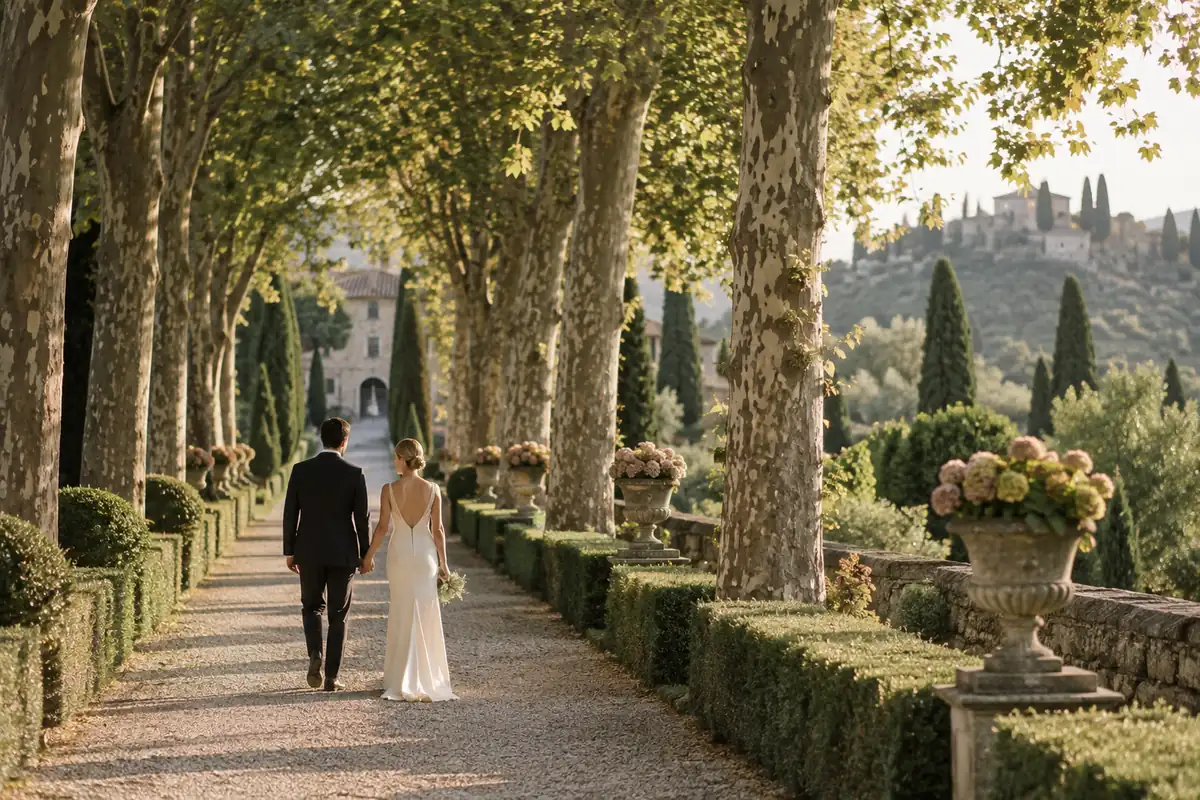
A garden theme is a sensibility more than a motif: abundant, loose, seasonal flowers in a place where things grow. Pastels work, but so does a single color in many shades, such as everything from blush to raspberry. In spring choose tulips, lilac, peonies, sweet peas, iris, hyacinth and lily of the valley (beautiful and costly); in summer, garden roses, delphinium, cosmos, snapdragons and herbs. Hand-tied bouquets with trailing stems suit the setting. Botanical gardens, rose gardens, estates and family backyards are natural venues, but always book a tent or an indoor fallback. Serve a garden-party menu: herb-flecked salads, cold poached salmon, lemonade and an elderflower spritz, with a string quartet or a jazz trio playing outdoors. Signature detail: potted herbs or small flowering plants as centerpieces that guests take home. Avoid: invitations printed with clip-art roses. Seeded-paper invitations and a real-petal toss suit the theme better; many venues that ban rice and confetti allow fresh petals, but ask.
Daisy
Daisies are cheerful, honest flowers and among the most affordable in the florist’s cooler, a good fit for a relaxed summer wedding. Keep the palette fresh: white, butter yellow and leaf green, with soft blue as an accent. Use Shasta daisies and marguerites, chamomile and feverfew for small-scale filler, and yellow craspedia or ranunculus for color; a meadow-style mix looks more current than a vase of daisies alone. A daisy crown on a flower girl, a single feverfew sprig in each boutonniere, or daisies tucked into a braid are enough for attire. A lemon cake with elderflower or a simple vanilla sponge with lemon curd fits the mood, as does a lemonade bar. Signature detail: the flower girl scattering whole daisy heads instead of rose petals. Avoid: silk daisies glued to garters and baskets, and daisy seed favors: oxeye daisy is invasive in many parts of North America, so choose a native wildflower mix for your region if you give seeds.
Butterfly
The butterfly theme works best as a whisper: one or two well-made pieces, such as a butterfly comb or hairpin, delicate butterfly earrings for attendants, or a cake decorated with a few sugar or wafer-paper butterflies that look as if they have just landed. The palette can follow the wings you like best, such as monarch orange with cream and moss, or soft lilac and pale blue. Flowers that attract butterflies in nature, including zinnias, cosmos, lavender, scabiosa and buddleia, give the arrangements a reason to exist. Butterfly conservatories make memorable venues. Bob Carlisle’s “Butterfly Kisses” remains a father-daughter dance favorite; browse alternatives in our song library. Signature detail: a native wildflower seed mix as a favor, chosen to feed pollinators in your region. Avoid: live butterfly releases. Conservation groups oppose them because farmed butterflies can carry disease and parasites to wild populations. For more ideas in the same spirit, see sustainable weddings.
Beach and Seaside
A beach wedding begins with logistics. Public beaches often require a permit, wind defeats veils and unweighted arrangements, and sand defeats heels; plan for all three. Sea-glass blue, sand, white and a warm accent such as coral or apricot is the natural palette. Choose sturdy, heat-tolerant flowers (orchids, protea, garden roses, ginger, anthurium and local tropicals where they grow), and keep arrangements low and weighted. Lightweight dresses in chiffon or crepe, linen suits and flat sandals or bare feet are practical, and your invitation should say so. A raw bar, grilled local fish, a clambake or a lobster roll station suits the setting. Signature detail: escort cards written on smooth stones or on blue card cut in the shape of a wave. Avoid: buying dried starfish and harvested shells, which are usually taken from the sea alive, and check local rules on lighting, since on some nesting beaches bright lights are restricted during sea turtle season.
Dolphin
Treat the dolphin theme as a variation on the seaside wedding above, with an emphasis on open water. Use a palette of sea green, soft blue, silver and sand, and borrow the beach section’s flowers and menu. One handsome motif is plenty: a blown-glass dolphin cake topper from a local glass artist, or tables named for species such as bottlenose, spinner, Risso’s and hourglass dolphins, written in silver ink on blue card. A boat ceremony, a harbor-side reception or a welcome-day dolphin-watching cruise with a responsible operator who keeps a respectful distance from wild animals brings the theme to life without props. Signature detail: in place of favors, a donation to a marine conservation or stranding-response group, noted on a small card at each setting. Avoid: receptions beside captive dolphin tanks and swim-with-dolphins excursions; many guests are uncomfortable with them, and they sit badly with a theme that celebrates the animal.
Candlelight
Nothing flatters a room, or a face, like candlelight. Keep the palette quiet, such as ivory, champagne, smoke and brass, and let the flames provide the color. Low arrangements of garden roses, gardenias, ranunculus and greenery keep sightlines clear and petals away from the heat. Chapels, cellars and tented dinners after sunset show it off best. Safety first: ask the venue, and if needed the local fire marshal, what is permitted before you buy a single candle. Many venues require flames to be enclosed in glass with the wick below the rim, and some allow only flameless candles; good LED candles are now hard to tell from wax at a distance. Keep real flames away from aisles, veils, hair, tulle and paper. Signature detail: a wall of candles behind the ceremony, or a reception lit entirely by tapers and hurricanes. Avoid: handing every guest a lit taper during the ceremony; electric candles are a much safer way to share the light.
Celestial
A celestial theme belongs outdoors after dark, or in a planetarium or observatory that hosts private events. Work in midnight blue, ink, silver and white with a touch of gold. White flowers read beautifully at night: tuberose, gardenia, jasmine, white cosmos and moonflower, with silvery dusty miller and olive. Crystal embroidery that catches the light, or star-shaped hairpins for attendants, keeps attire on theme. If you can choose the date, look at the moon’s phase: a full moon lights an outdoor reception, a new moon gives the darkest sky, and mid-August brings the Perseid meteor shower. Name tables after constellations and print a map of the night sky over your venue on your wedding date. Signature detail: a telescope and an astronomer from a local club for an hour after dinner. Avoid: star confetti and glitter, foil-covered cutouts and star-shaped balloons. A sparkler exit fits the theme, but confirm the venue allows it and keep a bucket of sand nearby.
Cinderella
The fairy-tale wedding works for adults when it borrows the story’s mood rather than its merchandise. Go for a full ball gown, hair up, a tiara or a jeweled comb, and a palette of ice blue, silver, pale pink and ivory. Garden roses, peonies, gardenias, hydrangeas and phalaenopsis orchids suit a ballroom, mansion or historic hotel. Hire a string ensemble that can play waltzes, and teach your guests one; “So This Is Love,” from Disney’s 1950 film, is an obvious first dance, though a classic waltz says the same thing more subtly. A champagne tower and a midnight supper give the evening shape. Signature detail: a horse-drawn carriage for your exit, or a second pair of crystal-embellished shoes for dancing. Avoid: branded character merchandise, toy mice and pumpkin coaches made of cardboard. One glass slipper on the ring bearer’s pillow is enough of a wink.
Victorian
Queen Victoria married Prince Albert in 1840 in white satin and lace with orange blossom in her hair, and the white wedding dress as we know it grew from that example. In 1858 her eldest daughter, also named Victoria, used Wagner’s Bridal Chorus and Mendelssohn’s Wedding March at her own wedding, and both became standards. A Victorian theme can draw on all of it: high necklines, lace sleeves, gloves, cutaway coats and top hats for the men. The palette is ivory, champagne, dusty rose and antique gold. Victorians loved the language of flowers, so build small round tussie-mussie bouquets with meaningful blooms; our guide to flower meanings will help. Historic houses, conservatories and rose gardens are natural settings. An afternoon tea reception with finger sandwiches, scones and a harpist is graceful and less expensive than a dinner. Signature detail: a ribbon cake pull or silver cake charms, a custom associated with the era. Avoid: costume-shop bustles and corsets that make dancing impossible.
Irish
An Irish wedding should honor a heritage. Leave out leprechauns, pots of gold, green beer and kelly-green everything. Instead, use moss and sage greens, heather, slate blue (blue has a long association with Ireland and St. Patrick) and cream. Bells of Ireland, despite the name, come from western Asia, but look lovely with heather, Queen Anne’s lace and white roses. Irish lace, such as Carrickmacross or Clones, on a veil carries real meaning, as does a family linen handkerchief. Claddagh rings, whose hands, heart and crown stand for friendship, love and loyalty, make a natural exchange, and a handfasting with a ribbon in a family color can join the vows. Read a traditional Irish blessing during the ceremony. Serve smoked salmon, lamb and soda bread, with Irish whiskey afterward. Signature detail: a trad trio of fiddle, uilleann pipes and bodhrán, then a céilí with a caller to teach the dances. Small bells as favors draw on a lovely old custom of ringing them to end quarrels.
Mardi Gras
Mardi Gras belongs to New Orleans and the Gulf Coast; borrow it with knowledge and affection. The Carnival colors are purple, green and gold; use them in jewel-toned velvet and silk rather than plastic. Masks suit a masquerade reception, offered to guests rather than required. Serve the food properly: gumbo, jambalaya, boiled crawfish in spring, beignets for dessert, and a Sazerac or French 75. If the wedding falls between Twelfth Night and Mardi Gras day, a king cake as the groom’s cake is in season. End the night with a brass band and a second line, guests waving handkerchiefs or parasols behind the band; in New Orleans, a street second line requires a city parade permit and police escort, usually arranged by the band or planner. Signature detail: a New Orleans cake pull, with charms on ribbons baked into the bride’s cake for the bridesmaids to pull. Avoid: cheap plastic throws, which end up in storm drains, and borrowing the suits or imagery of the Black Masking Indians, a tradition that belongs to its own communities.
Country Western
A country western wedding is relaxed by nature, which is its appeal. Take the palette from the landscape: sage, rust, cream, denim blue, turquoise and tan leather. Wildflowers, sunflowers, black-eyed Susans, sweet peas and dried grasses fit, in galvanized tins or mason jars without overdoing the jars. A white western-cut dress or a lace gown with cowboy boots, and pressed jeans or a suit with a bolo tie and boots for the groom, are both proper here; state “western formal” or “boots welcome” on the invitation. Ranches, barns and farm venues are ideal, but check for heat, restrooms and power, and remember that hay bales can trouble guests with allergies. Barbecue (brisket, ribs, beans, cornbread and slaw) with local beer and a whiskey bar suits everyone. Hire a band that can call a line dance and a two-step. Signature detail: a horseback or covered-wagon arrival, or embroidered bandanas used as napkins and taken home. Avoid: cowboy-boot confetti and novelty signs.
Making a theme work on a budget
Choose a theme your date already supports. In-season flowers, a venue that is already decorated and food at its natural peak all cost less than imitations.
Put the money into one signature detail. A single striking piece (the carriage, the ice sculpture, the brass band) will be remembered long after a hundred small themed trinkets are forgotten.
Rent, borrow and repurpose. Hurricanes, lanterns, velvet linens and vintage china are widely available to rent. Move ceremony arrangements to the reception tables, and let bridesmaids’ bouquets dress the cake table.
Be selective about DIY. Projects that can be finished weeks ahead, such as escort cards or ornament favors, are sensible. Anything involving fresh flowers or the day itself is not.
Edit the favors. Themed trinkets are often left behind. Something edible, a donation or nothing at all is better. Plan the numbers with our wedding budget guide.
Written and edited by the Today’s Weddings editors. How we research and check what we publish is set out in our editorial standards. Spotted something wrong? Tell us.